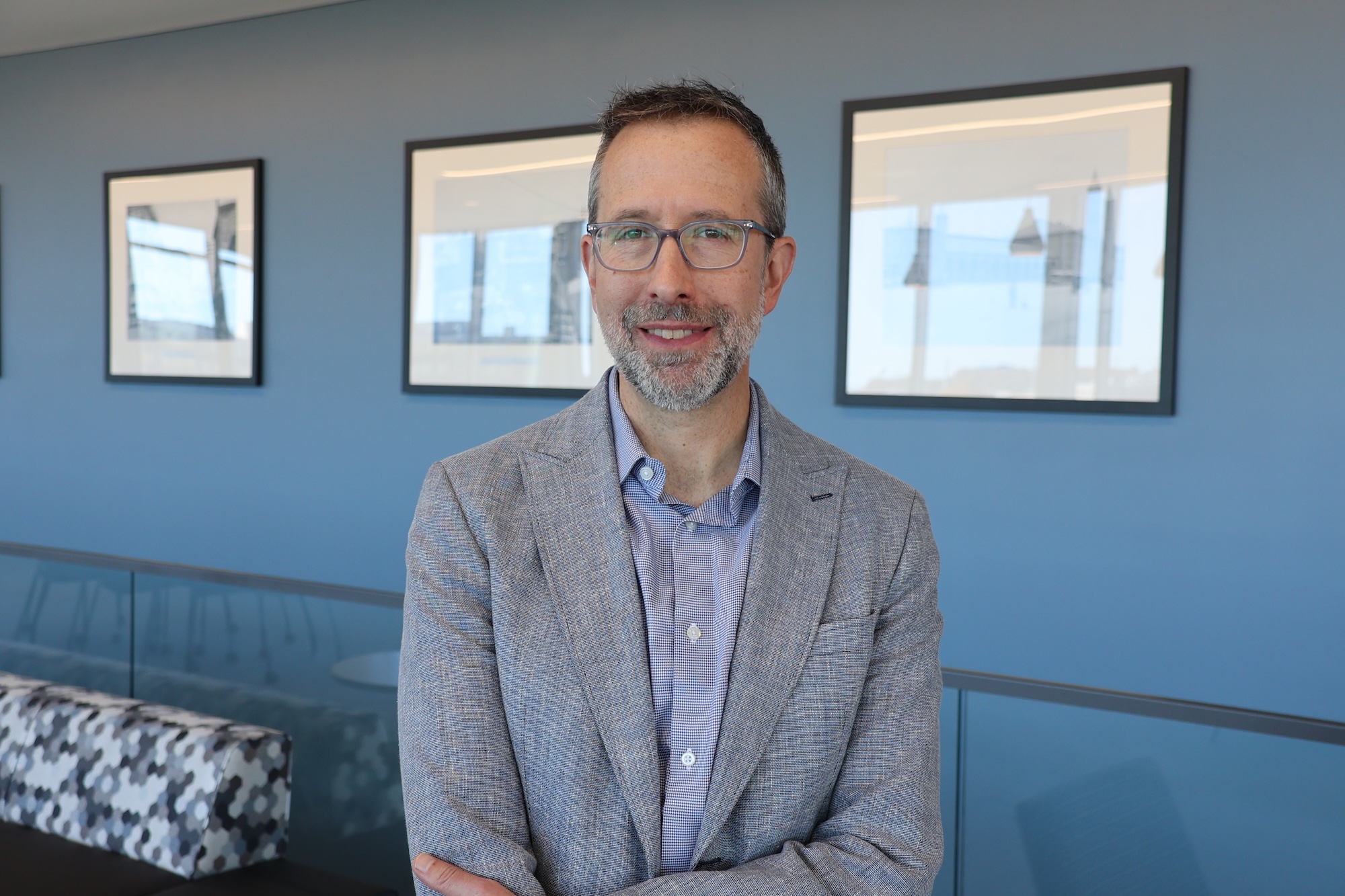
Q: What strengths, skills or qualities do you feel being a first-generation student helped you to develop?
Once I got to college, I suddenly realized how far I was from students who had attended prep schools, had access to tutors and benefited from strong academic preparation and parental support. Recognizing those differences pushed me to work much harder than I otherwise might have.
My grades improved from something like a B-minus average to straight A’s. I attribute much of that progress to recognizing the skills and knowledge I hadn’t had the opportunity to develop earlier and then working deliberately to catch up.
That experience taught me the importance of recognizing what you don’t yet know and being willing to put in the work to learn it. It also gave me a greater appreciation for how much a student’s earlier educational experiences can shape their transition to college.
Q: Can you describe some of the unique challenges or barriers you faced as a first-generation student? How did you navigate them?
I’m not sure I can claim to have faced any particular barriers that are unique to first-generation students. There were social norms and expectations that took me time to understand, in part because I grew up lower-middle-class, outside the I-95 corridor and away from the traditional centers of academia.
At the same time, I’ve been fortunate to have wonderful supporters and mentors at different points in my life who helped me navigate those unfamiliar environments and make up for some of those gaps.
Their support has reinforced for me how valuable it can be to have someone who understands an institution and can help you see the opportunities available to you.
Q: As a first-generation staff member, how do you draw on your own experiences to support first-generation students at Brown?
I really love opportunities to work directly with students of all backgrounds. Many of our master’s students come from backgrounds that may be more similar to mine than those of some undergraduate students. They may have fewer financial resources, feel less prepared for the demands of graduate school or be less familiar with how to communicate proactively with faculty and administrators and enlist the institution’s support.
Often, we encounter students when they’re already experiencing difficulties. I’m proud of the work my teams do to help students stabilize their lives, address academic challenges, find community and prepare for the workplace.
I don’t think of this work as being focused on any one group. Rather, we aim to support students in whatever ways they need. But the resources we provide can be especially valuable to first-generation students, who may not arrive with the same familiarity with higher education or the same networks of support.
Q: What advice would you give to current first-generation graduate students who may be feeling overwhelmed, uncertain about their path or questioning their sense of belonging at Brown?
My advice is to do what students with more established, affluent or academically connected families often learn to do early: engage the institution and enlist its support.
Brown is full of people who want students to succeed, along with resources designed to help them do so. The best way to access that support is to reach out early, before there are signs of trouble.
Ask for advice. Build networks. Participate in university activities and get to know the people and resources available to you. Doing so can help you avoid some of the challenges that come with navigating an unfamiliar environment on your own. And when you do stumble, you’ll already have a community in place to help you get back on your feet.
You don’t have to figure everything out by yourself. Learning how to find and ask for support is part of navigating your path successfully.